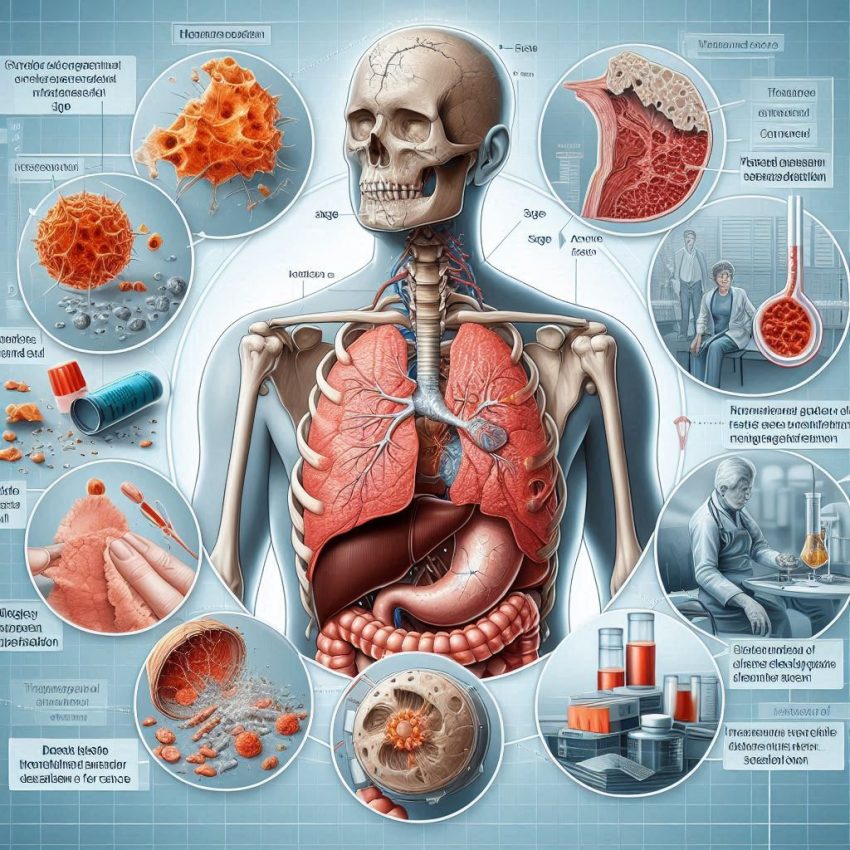
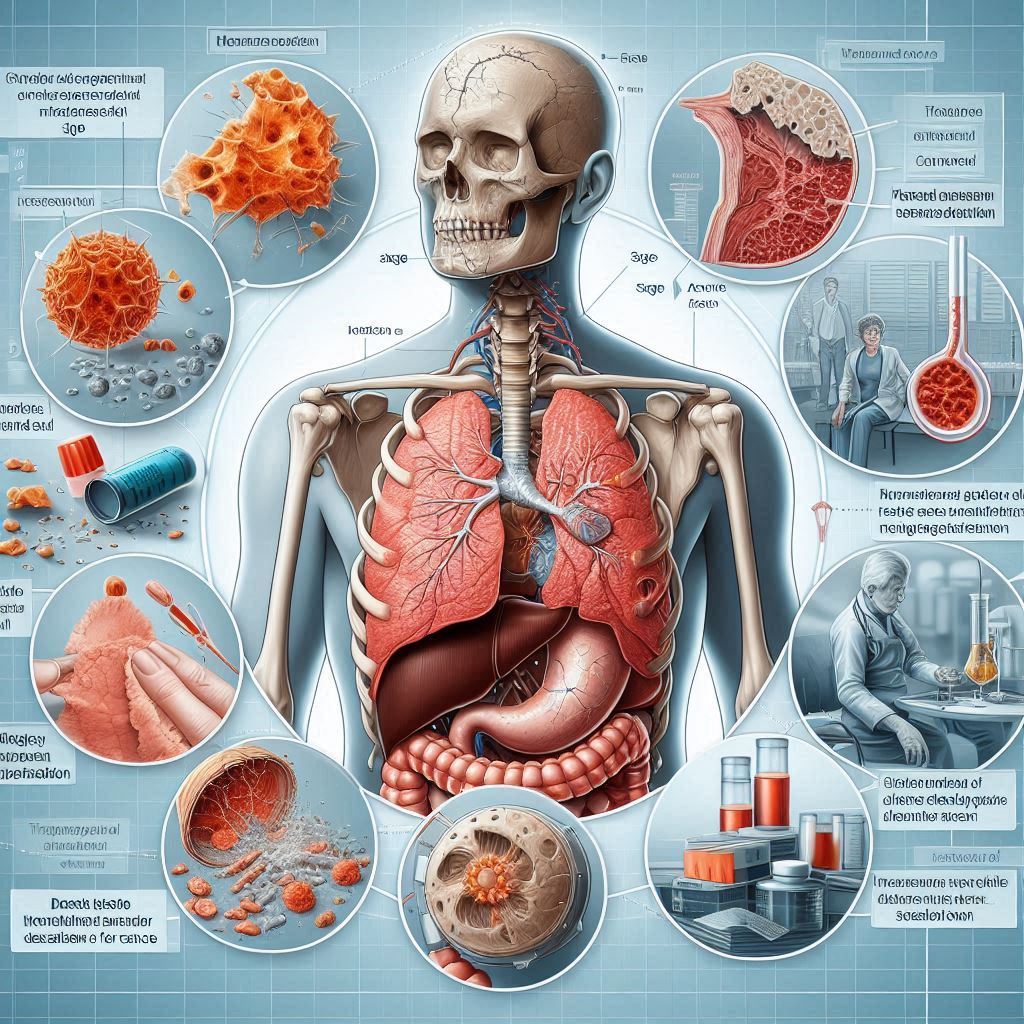
Mesothelioma is a rare type of cancer that develops in the mesothelium, a protective lining that covers most of your internal organs. While it’s a serious condition, advancements in medical treatments have led to improved survival rates for many patients.
Understanding Mesothelioma Survival Rates
Survival rates for mesothelioma can vary significantly depending on several factors, including:
- Stage of Cancer: The stage of the cancer at diagnosis is a critical factor. Early-stage mesothelioma often has a better prognosis than advanced-stage disease.
- Type of Mesothelioma: Different types of mesothelioma, such as pleural mesothelioma and peritoneal mesothelioma, may have different survival rates.
- Overall Health: A patient’s overall health and ability to tolerate treatment can also impact survival rates.
- Treatment Options: The availability and effectiveness of treatment options, such as surgery, chemotherapy, and immunotherapy, can influence outcomes.
Factors Affecting Mesothelioma Survival
Several factors can affect a person’s survival with mesothelioma, including:
- Age: Younger patients often have better outcomes than older patients.
- General Health: Good overall health can improve a patient’s ability to tolerate treatment and fight the disease.
- Type of Treatment: The type of treatment received, as well as the patient’s response to treatment, can impact survival rates.
- Early Detection: Early detection and diagnosis can lead to more effective treatment and better outcomes.
Improving Mesothelioma Survival
While there’s no cure for mesothelioma, advancements in medical research have led to improved treatment options and better survival rates. Some strategies to improve survival include:
- Early Detection: Regular check-ups and screenings, especially for individuals with exposure to asbestos, can help detect mesothelioma early.
- Clinical Trials: Participating in clinical trials can provide access to cutting-edge treatments and contribute to medical research.
- Supportive Care: Managing symptoms and side effects of treatment can improve quality of life and overall survival.
- Emotional Support: Seeking emotional support from loved ones, support groups, or mental health professionals can help cope with the challenges of mesothelioma.
It’s important to note that survival rates are just estimates, and individual experiences may vary. If you or a loved one has been diagnosed with mesothelioma, it’s crucial to consult with a healthcare professional to discuss treatment options and prognosis.
Remember, hope and progress continue to shape the future of mesothelioma treatment and patient outcomes.
Understanding Mesothelioma Survival Rates
Mesothelioma is a rare but aggressive type of cancer that develops in the mesothelium, a protective lining that covers most of your internal organs. While it’s a serious condition, advancements in medical treatments have led to improved survival rates for many patients.
What Factors Affect Mesothelioma Survival Rates?
Several factors can influence a person’s survival with mesothelioma, including:
- Stage of Cancer: The stage of the cancer at diagnosis is a crucial factor. Early-stage mesothelioma often has a better prognosis than advanced-stage disease.
- Type of Mesothelioma: Different types of mesothelioma, such as pleural mesothelioma and peritoneal mesothelioma, may have different survival rates.
- Overall Health: A patient’s overall health and ability to tolerate treatment can also impact survival rates.
- Treatment Options: The availability and effectiveness of treatment options, such as surgery, chemotherapy, and immunotherapy, can influence outcomes.
Improving Mesothelioma Survival
While there’s no cure for mesothelioma, advancements in medical research have led to improved treatment options and better survival rates. Some strategies to improve survival include:
- Early Detection: Regular check-ups and screenings, especially for individuals with exposure to asbestos, can help detect mesothelioma early.
- Clinical Trials: Participating in clinical trials can provide access to cutting-edge treatments and contribute to medical research.
- Supportive Care: Managing symptoms and side effects of treatment can improve quality of life and overall survival.
- Emotional Support: Seeking emotional support from loved ones, support groups, or mental health professionals can help cope with the challenges of mesothelioma.
Seeking Support and Information
If you or a loved one has been diagnosed with mesothelioma, it’s crucial to seek support and information from reliable sources. Consider connecting with patient advocacy organizations, support groups, and healthcare professionals who specialize in mesothelioma treatment.
Remember, hope and progress continue to shape the future of mesothelioma treatment and patient outcomes.
Mesothelioma: Factors Affecting Survival Rates
Mesothelioma is a rare but aggressive type of cancer that develops in the mesothelium, a protective lining that covers most of your internal organs. While it’s a serious condition, advancements in medical treatments have led to improved survival rates for many patients.
Understanding the Factors
Several factors can influence a person’s survival with mesothelioma, including:
1. Stage of Cancer:
- Early-Stage Mesothelioma: Early detection and treatment can significantly improve survival rates.
- Advanced-Stage Mesothelioma: While more challenging, advancements in treatments offer hope for patients with advanced-stage disease.
2. Type of Mesothelioma:
- Pleural Mesothelioma: The most common type, affecting the lining of the lungs.
- Peritoneal Mesothelioma: Affecting the lining of the abdomen.
- Pericardial Mesothelioma: Affecting the lining of the heart.
- Different types may have varying survival rates and treatment options.
3. Overall Health:
- A patient’s overall health, including age and underlying medical conditions, can impact their ability to tolerate treatment and respond to therapy.
4. Treatment Options:
- Surgery: Surgical removal of tumors may be an option in certain cases.
- Chemotherapy: Drug therapy to kill cancer cells.
- Immunotherapy: Treatment that boosts the body’s immune system to fight cancer.
- Radiation Therapy: Using high-energy rays to kill cancer cells.
- The choice of treatment and its effectiveness can significantly influence survival rates.
Improving Mesothelioma Survival
While there’s no cure for mesothelioma, advancements in medical research have led to improved treatment options and better survival rates. Some strategies to improve survival include:
- Early Detection: Regular check-ups and screenings, especially for individuals with exposure to asbestos, can help detect mesothelioma early.
- Clinical Trials: Participating in clinical trials can provide access to cutting-edge treatments and contribute to medical research.
- Supportive Care: Managing symptoms and side effects of treatment can improve quality of life and overall survival.
- Emotional Support: Seeking emotional support from loved ones, support groups, or mental health professionals can help cope with the challenges of mesothelioma.
Seeking Support and Information
If you or a loved one has been diagnosed with mesothelioma, it’s crucial to seek support and information from reliable sources. Consider connecting with patient advocacy organizations, support groups, and healthcare professionals who specialize in mesothelioma treatment.
Remember, hope and progress continue to shape the future of mesothelioma treatment and patient outcomes.
The Outlook for Mesothelioma Patients
Mesothelioma, a rare and aggressive cancer, can be a daunting diagnosis. However, advancements in medical research and treatment options have improved the outlook for many patients.
Understanding Mesothelioma
Mesothelioma develops in the mesothelium, a protective lining that covers most internal organs, often due to asbestos exposure. While it’s a serious condition, early detection and effective treatment can significantly impact a patient’s prognosis.
Factors Affecting Outlook
Several factors influence the outlook for mesothelioma patients:
- Stage of Cancer: Early-stage mesothelioma is generally more treatable than advanced-stage disease.
- Type of Mesothelioma: Different types, such as pleural, peritoneal, and pericardial mesothelioma, may have varying prognoses.
- Overall Health: A patient’s general health and ability to tolerate treatment can impact their outcome.
- Treatment Options: Access to advanced treatments like surgery, chemotherapy, and immunotherapy can significantly improve survival rates.
Improving the Outlook
While there’s no cure for mesothelioma, medical advancements have led to improved treatment options and better patient outcomes. Here are some strategies to enhance the outlook:
- Early Detection: Regular check-ups and screenings, especially for individuals with asbestos exposure, can lead to early diagnosis and treatment.
- Clinical Trials: Participating in clinical trials can provide access to cutting-edge treatments and contribute to medical research.
- Supportive Care: Managing symptoms and side effects of treatment can improve quality of life and overall well-being.
- Emotional Support: Seeking emotional support from loved ones, support groups, or mental health professionals can help cope with the challenges of mesothelioma.
Seeking Support and Information
If you or a loved one has been diagnosed with mesothelioma, it’s crucial to seek support and information from reliable sources. Consider connecting with patient advocacy organizations, support groups, and healthcare professionals who specialize in mesothelioma treatment.
While the outlook for mesothelioma patients is continually improving, it’s essential to maintain hope and seek comprehensive care. By staying informed, accessing appropriate treatments, and seeking emotional support, individuals with mesothelioma can navigate their journey with strength and resilience.
Mesothelioma Survival: Hope and Progress
Mesothelioma, a rare and aggressive cancer, can be a challenging diagnosis. However, advancements in medical research and treatment options have brought hope to many patients.
Understanding Mesothelioma
Mesothelioma develops in the mesothelium, a protective lining that covers most internal organs. It is often linked to asbestos exposure. While it’s a serious condition, early detection and effective treatment can significantly improve a patient’s prognosis.
Factors Affecting Survival
Several factors can influence a patient’s survival with mesothelioma:
- Stage of Cancer: Early-stage mesothelioma is generally more treatable than advanced-stage disease.
- Type of Mesothelioma: Different types, such as pleural, peritoneal, and pericardial mesothelioma, may have varying prognoses.
- Overall Health: A patient’s general health and ability to tolerate treatment can impact their outcome.
- Treatment Options: Access to advanced treatments like surgery, chemotherapy, and immunotherapy can significantly improve survival rates.
The Role of Treatment
Treatment options for mesothelioma have evolved over the years, offering hope to patients:
- Surgery: Surgical removal of tumors may be an option in certain cases.
- Chemotherapy: Drug therapy to kill cancer cells.
- Immunotherapy: Treatment that boosts the body’s immune system to fight cancer.
- Radiation Therapy: Using high-energy rays to kill cancer cells.
The Power of Hope and Support
While mesothelioma is a serious condition, it’s important to maintain hope and seek support. Connecting with patient advocacy organizations, support groups, and healthcare professionals can provide valuable information and emotional support.
The Future of Mesothelioma Treatment
Ongoing research and clinical trials are exploring new treatments and therapies for mesothelioma. These advancements offer hope for improved survival rates and quality of life for patients.Remember, while mesothelioma is a challenging disease, there is hope. By staying informed, accessing appropriate treatments, and seeking support, individuals with mesothelioma can navigate their journey with strength and resilience.