This is for informational purposes only. For medical advice or diagnosis, consult a professional.
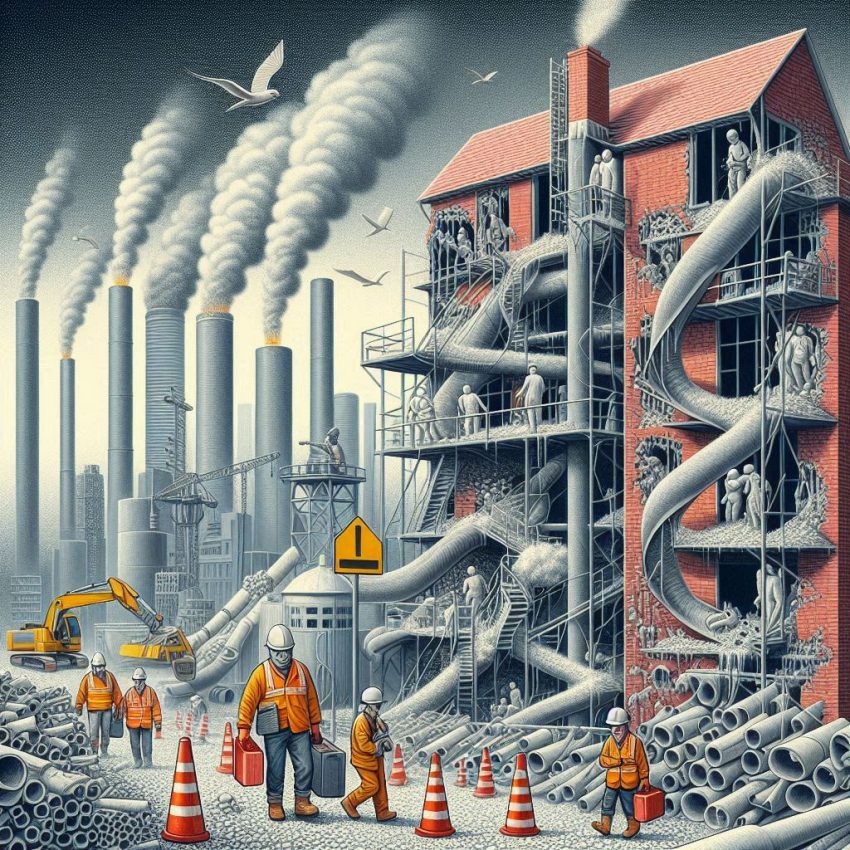
Cement Products: A Hidden Source of Asbestos Exposure
Asbestos was used in the production of various cement-based products due to its:
- Strength and Durability: Asbestos fibers significantly increased the strength and durability of cement products.
- Fire Resistance: Asbestos improved the fire resistance of cement-based materials.
Common Asbestos-Containing Cement Products:
- Asbestos-Cement Pipes: Widely used for water, sewer, and drainage systems.
- Asbestos-Cement Roofing Shingles: Durable and fire-resistant, commonly used for residential and commercial roofing.
- Asbestos-Cement Siding: Used as a durable and weather-resistant exterior cladding for buildings.
- Corrugated Sheets: Used for roofing, siding, and fencing.
Exposure Risks:
- Manufacturing:
- Workers involved in the manufacturing of asbestos-cement products were directly exposed to asbestos dust during production processes.
- Construction:
- Workers involved in the installation, removal, and repair of asbestos-cement products were exposed to asbestos fibers.
- Demolition and Renovation:
- Demolition and renovation of older buildings containing asbestos-cement products can release asbestos fibers into the air.
- Maintenance:
- Maintenance and repair activities on asbestos-cement pipes and other products can also disturb asbestos fibers.
Minimizing Risks:
- Asbestos Surveys: Conducting thorough asbestos surveys before any work begins on older buildings containing asbestos-cement products.
- Asbestos Abatement: Proper procedures for the removal and disposal of asbestos-cement products.
- Engineering Controls: Implementing effective engineering controls, such as local exhaust ventilation and containment measures, to minimize the spread of asbestos dust.
- Personal Protective Equipment: Ensuring the use of appropriate PPE, including respirators with HEPA filters, gloves, and protective clothing, for workers involved in asbestos removal and handling.
- Worker Training: Providing comprehensive training to all workers on asbestos hazards, safe work practices, and the use of PPE.
Conclusion:
Asbestos-cement products were widely used in construction, but their use has been significantly curtailed due to health concerns. However, older buildings may still contain these materials, posing potential exposure risks. By implementing appropriate safety measures and conducting thorough asbestos surveys, we can minimize these risks and protect public health.
Disclaimer: This information is for general knowledge and informational purposes only and does not constitute medical advice.
I hope this expanded section provides a more in-depth understanding of the risks associated with asbestos in construction materials, specifically asbestos-cement products.
This is for informational purposes only. For medical advice or diagnosis, consult a professional.
Asbestos in Construction Materials: A Historical Overview
Asbestos was widely used in various construction materials due to its desirable properties such as:
- Fire resistance: Asbestos is highly resistant to fire, making it suitable for use in fireproofing materials.
- Strength and durability: Asbestos adds strength and durability to construction materials like cement products.
- Insulating properties: Asbestos provides excellent thermal and acoustic insulation.
Common Asbestos-Containing Construction Materials:
- Asbestos-Cement Products:
- Pipes: Used for water, sewer, and drainage systems.
- Roofing shingles:
- Siding:
- Corrugated sheets: Used for roofing, siding, and fencing.
- Insulation:
- Pipe insulation: Used to insulate pipes carrying steam, hot water, and other fluids.
- Boiler insulation: Used to insulate boilers and other industrial equipment.
- Thermal insulation: Used in buildings to improve energy efficiency.
- Fireproofing materials: Used to protect structures from fire.
- Other Materials:
- Textured paints and coatings: Some textured paints and coatings contained asbestos.
- Adhesives and sealants: Some adhesives and sealants used in construction contained asbestos.
- Floor tiles: Some vinyl floor tiles contained asbestos.
Exposure Risks:
- Construction Workers:
- Workers involved in the manufacture, installation, removal, and repair of asbestos-containing construction materials were directly exposed to asbestos fibers.
- Renovation and Demolition Workers:
- Demolition and renovation activities in older buildings can disturb asbestos-containing materials, such as asbestos-cement siding, pipe insulation, and flooring, releasing asbestos fibers into the air.
- Homeowners:
- Homeowners undertaking DIY renovations and repairs in older homes may encounter and disturb asbestos-containing materials.
Minimizing Risks:
- Asbestos Surveys: Conducting thorough asbestos surveys before any work begins on older buildings.
- Asbestos Abatement: Proper procedures for the removal and disposal of asbestos-containing materials.
- Engineering Controls: Implementing effective engineering controls, such as local exhaust ventilation and containment measures, to minimize the spread of asbestos dust.
- Personal Protective Equipment: Ensuring the use of appropriate PPE, including respirators with HEPA filters, gloves, and protective clothing, for workers involved in asbestos removal and handling.
- Worker Training: Providing comprehensive training to all workers on asbestos hazards, safe work practices, and the use of PPE.
Conclusion:
Asbestos was used in a variety of construction materials, posing significant exposure risks to workers and the public. By implementing effective safety measures and conducting thorough asbestos surveys, we can minimize these risks and protect public health.
Disclaimer: This information is for general knowledge and informational purposes only and does not constitute medical advice.
I hope this expanded section provides a more in-depth understanding of the risks associated with asbestos in construction materials.
Key Considerations:
- Strength: Asbestos fibers, due to their unique crystal structure, provide significant tensile strength when incorporated into materials like cement. This enhances the overall strength and durability of the resulting product.
- Durability: The inclusion of asbestos fibers significantly improves the durability of materials like asbestos-cement products, making them resistant to cracking, breaking, and weathering.
- Cost-Effectiveness: Asbestos was a relatively inexpensive material, making it a cost-effective option for many construction applications.
These desirable properties contributed to the widespread use of asbestos in construction materials throughout the 20th century. However, these benefits were ultimately outweighed by the significant health risks associated with asbestos exposure.
This is for informational purposes only. For medical advice or diagnosis, consult a professional.
Asbestos and Fire Resistance: A Double-Edged Sword
Asbestos, with its high melting point and non-combustible nature, was widely used in fire-resistant materials.1 This seemingly beneficial property, however, has a significant downside:
- Fireproofing Applications:
- Spray-on fireproofing: Asbestos was commonly used in spray-on fireproofing materials applied to steel beams, columns, and other structural elements in buildings.2
- Insulation: Asbestos was used in fire-resistant insulation materials for pipes, boilers, and other equipment.3
- Fire-resistant textiles: Asbestos was incorporated into fire-resistant fabrics used in fire-resistant clothing, curtains, and other materials.4
- The Danger:
- While asbestos itself does not burn, fires can disturb asbestos-containing fireproofing materials, releasing harmful fibers into the air.5
- Firefighting activities, including fire suppression and demolition of fire-damaged structures, can also significantly increase the release of asbestos fibers.6
- These airborne fibers can be inhaled by firefighters, demolition workers, and other individuals in the vicinity, posing serious health risks.7
- The Irony:
- Ironically, the very material intended to protect structures from fire can pose a significant health hazard to those involved in fire suppression and cleanup activities.8
Minimizing Risks:
- Asbestos Surveys: Conducting thorough asbestos surveys in older buildings to identify the presence of asbestos-containing fireproofing materials.
- Firefighter Safety:
- Providing firefighters with appropriate respiratory protection (SCBAs) and other PPE during fire suppression activities in older buildings.
- Implementing thorough decontamination procedures for firefighters and their equipment after each fire.9
- Demolition Safety:
- Implementing strict safety protocols for the demolition of fire-damaged buildings, including asbestos abatement procedures.
Conclusion:
While asbestos was once widely used for its fire-resistant properties, it poses significant health risks due to the potential for exposure during fires and subsequent cleanup activities.10 By implementing effective safety measures and raising awareness among firefighters and demolition workers, we can minimize these risks and protect public health.
Disclaimer: This information is for general knowledge and informational purposes only and does not constitute medical advice.
I hope this expanded section provides a more in-depth understanding of the use of asbestos in fire-resistant materials and the associated risks.
This is for informational purposes only. For medical advice or diagnosis, consult a professional.
Asbestos-Cement Pipes: A Legacy of Exposure
Asbestos-cement (AC) pipes, commonly known as “transite” pipes, were widely used in water and sewer systems throughout the 20th century. While they offered several advantages, their use has been phased out due to the health risks associated with asbestos exposure.
Key Properties of Asbestos-Cement Pipes:
- Strength and Durability:
- The incorporation of asbestos fibers significantly enhanced the strength and durability of these pipes.
- They were resistant to corrosion, making them suitable for use in a variety of underground applications.
- Resistance to Corrosion:
- Asbestos-cement pipes exhibited excellent resistance to corrosion from soil and water, ensuring long-term service life.
- Ease of Installation:
- Relatively lightweight and easy to handle, making them easier to install compared to some other types of pipes.
Health Risks Associated with Asbestos-Cement Pipes:
- Exposure during Installation and Repair:
- Workers involved in the installation, repair, and removal of asbestos-cement pipes were directly exposed to asbestos fibers, particularly during cutting, grinding, and sanding operations.
- Deterioration and Breakage:
- Over time, asbestos-cement pipes can deteriorate, leading to cracks and breaks.
- These breaks can release asbestos fibers into the surrounding soil and water, potentially contaminating the environment.
- Drinking Water Contamination:
- In some cases, asbestos fibers can be released from deteriorating asbestos-cement pipes into the drinking water supply.
- Removal Challenges:
- The removal and disposal of asbestos-cement pipes require specialized techniques and precautions to minimize the release of asbestos fibers.
Minimizing Risks:
- Proper Maintenance:
- Regular inspection and maintenance of asbestos-cement pipes can help identify and address potential problems before they lead to significant deterioration.
- Safe Removal:
- If asbestos-cement pipes need to be removed or replaced, it must be done by trained professionals using proper asbestos abatement techniques, including the use of wet methods to minimize dust generation and appropriate respiratory protection.
- Replacement with Safer Alternatives:
- Replacing asbestos-cement pipes with safer alternatives, such as PVC or ductile iron pipes, is recommended whenever feasible.
Conclusion:
While asbestos-cement pipes offered certain advantages in the past, the health risks associated with asbestos exposure have led to their decline in use. Proper management and safe removal of existing asbestos-cement pipes are crucial to minimize exposure risks and protect public health.
Disclaimer: This information is for general knowledge and informational purposes only and does not constitute medical advice.
I hope this expanded section provides a more in-depth understanding of asbestos-cement pipes, their historical use, and the associated health risks.
Asbestos-Cement Roofing Shingles: A Legacy of Exposure
Asbestos-cement roofing shingles, also known as “transite” shingles, were widely used in residential and commercial construction for much of the 20th century. These shingles offered several advantages, including:
- Durability: Asbestos-cement shingles are highly resistant to weather damage, such as wind, rain, and hail.
- Fire Resistance: Asbestos provides excellent fire resistance, making these shingles a popular choice for fire-prone areas.
- Low Maintenance: Asbestos-cement shingles require minimal maintenance and can last for many years.
Health Risks Associated with Asbestos-Cement Shingles:
- Exposure during Installation and Repair:
- Workers involved in the installation, repair, and removal of asbestos-cement shingles were directly exposed to asbestos fibers, particularly during cutting, sawing, and sanding operations.
- Deterioration and Breakage:
- Over time, asbestos-cement shingles can deteriorate due to weathering, impact damage, and age.
- Deterioration can release asbestos fibers into the air, posing a risk to homeowners, neighbors, and passersby.
- Removal Challenges:
- The removal and disposal of asbestos-cement shingles require specialized techniques and precautions to minimize the release of asbestos fibers.
Minimizing Risks:
- Regular Inspections:
- Regular inspections of asbestos-cement roofs can help identify and address any signs of damage or deterioration.
- Safe Removal:
- If asbestos-cement shingles need to be removed, it must be done by trained professionals using proper asbestos abatement techniques, including the use of wet methods to minimize dust generation and appropriate respiratory protection.
- Replacement with Safer Alternatives:
- When replacing roofs, consider using safer alternatives to asbestos-cement shingles, such as asphalt shingles or metal roofing.
Conclusion:
While asbestos-cement shingles offered durability and fire resistance, the health risks associated with asbestos exposure have led to their decline in use. Proper maintenance and safe removal of existing asbestos-cement roofs are crucial to minimize exposure risks and protect public health.
Disclaimer: This information is for general knowledge and informational purposes only and does not constitute medical advice.
I hope this expanded section provides a more in-depth understanding of the risks associated with asbestos-cement roofing shingles.
This is for informational purposes only. For medical advice or diagnosis, consult a professional.
Asbestos-Cement Siding: A Legacy of Exposure
Asbestos-cement siding was a popular building material for many years, offering durability, fire resistance, and low maintenance. However, its use has been phased out due to the health risks associated with asbestos exposure.
- Composition:
- Asbestos-cement siding is a composite material made from a mixture of Portland cement and asbestos fibers.
- The asbestos fibers provide strength, durability, and fire resistance to the material.
- Popularity and Use:
- Widely used as exterior cladding for homes and other buildings, particularly in the mid-20th century.
- Known for its durability, resistance to weather damage, and low maintenance requirements.
- Health Risks:
- Exposure during Installation and Removal:
- Workers involved in the installation, removal, and repair of asbestos-cement siding were directly exposed to asbestos fibers, particularly during cutting, sawing, and sanding operations.
- Deterioration and Breakage:
- Over time, asbestos-cement siding can deteriorate due to weathering, impact damage, and age.
- Deterioration can release asbestos fibers into the air, posing a risk to homeowners, neighbors, and passersby.
- Removal Challenges:
- The removal and disposal of asbestos-cement siding require specialized techniques and precautions to minimize the release of asbestos fibers.
- Exposure during Installation and Removal:
- Minimizing Risks:
- Regular Inspection:
- Regular inspections of asbestos-cement siding can help identify and address any signs of damage or deterioration.
- Safe Removal:
- If asbestos-cement siding needs to be removed, it must be done by trained professionals using proper asbestos abatement techniques, including the use of wet methods to minimize dust generation and appropriate respiratory protection.
- Replacement with Safer Alternatives:
- When replacing siding, consider using safer alternatives to asbestos-cement siding, such as vinyl siding, fiber-cement siding (asbestos-free), or wood siding.
- Regular Inspection:
Conclusion:
While asbestos-cement siding offered durability and low maintenance, the health risks associated with asbestos exposure have led to its decline in use. Proper maintenance and safe removal of existing asbestos-cement siding are crucial to minimize exposure risks and protect public health.
Disclaimer: This information is for general knowledge and informational purposes only and does not constitute medical advice.
I hope this expanded section provides a more in-depth understanding of the risks associated with asbestos-cement siding.
This is for informational purposes only. For medical advice or diagnosis, consult a professional.
Asbestos-Cement Corrugated Sheets: A Durable but Hazardous Material
Asbestos-cement corrugated sheets were widely used for roofing, siding, and fencing due to their:
- Durability:
- Highly resistant to weather damage, including wind, rain, and hail.
- Withstood extreme temperatures and harsh weather conditions well.
- Fire Resistance:
- Non-combustible, providing excellent fire protection for structures.
- Low Maintenance:
- Required minimal maintenance, such as occasional cleaning, and could last for many decades.
- Cost-Effectiveness:
- Relatively inexpensive to manufacture and install compared to other roofing and siding materials.
Health Risks:
- Exposure during Installation and Removal:
- Workers involved in the manufacture, installation, removal, and repair of asbestos-cement corrugated sheets were directly exposed to asbestos fibers, particularly during cutting, sawing, and drilling operations.
- Deterioration and Breakage:
- Over time, asbestos-cement sheets can deteriorate due to weathering, impact damage, and age.
- Deterioration can release asbestos fibers into the air, posing a risk to homeowners, neighbors, and passersby.
- Environmental Contamination:
- Broken or damaged asbestos-cement sheets can release asbestos fibers into the surrounding environment, potentially contaminating soil and water.
Minimizing Risks:
- Regular Inspection:
- Regular inspections of asbestos-cement corrugated sheets can help identify and address any signs of damage or deterioration.
- Safe Removal:
- If asbestos-cement sheets need to be removed, it must be done by trained professionals using proper asbestos abatement techniques, including the use of wet methods to minimize dust generation and appropriate respiratory protection.
- Replacement with Safer Alternatives:
- When replacing roofing or siding, consider using safer alternatives to asbestos-cement sheets, such as metal roofing, vinyl siding, or fiber-cement siding (asbestos-free).
Conclusion:
While asbestos-cement corrugated sheets offered several advantages, the health risks associated with asbestos exposure have led to their decline in use. Proper maintenance and safe removal of existing asbestos-cement sheets are crucial to minimize exposure risks and protect public health.
Disclaimer: This information is for general knowledge and informational purposes only and does not constitute medical advice.
I hope this expanded section provides a more in-depth understanding of the risks associated with asbestos-cement corrugated sheets.